 Togethering
Partner
Project
Google x Biodesign Sprint
Engagement
4-Week Research & Design Sprint
Tracking material lifecycles via DNA.
The Challenge
Google needed innovative strategies to reduce global e-waste in their consumer hardware production and partnered with the Biodesign Challenge to invite designers, artists, creatives, and strategists from around the world to develop solutions.
The challenge required interdisciplinary collaboration to create breakthrough concepts that could address the complexities of global e-waste while supporting circular economy principles.

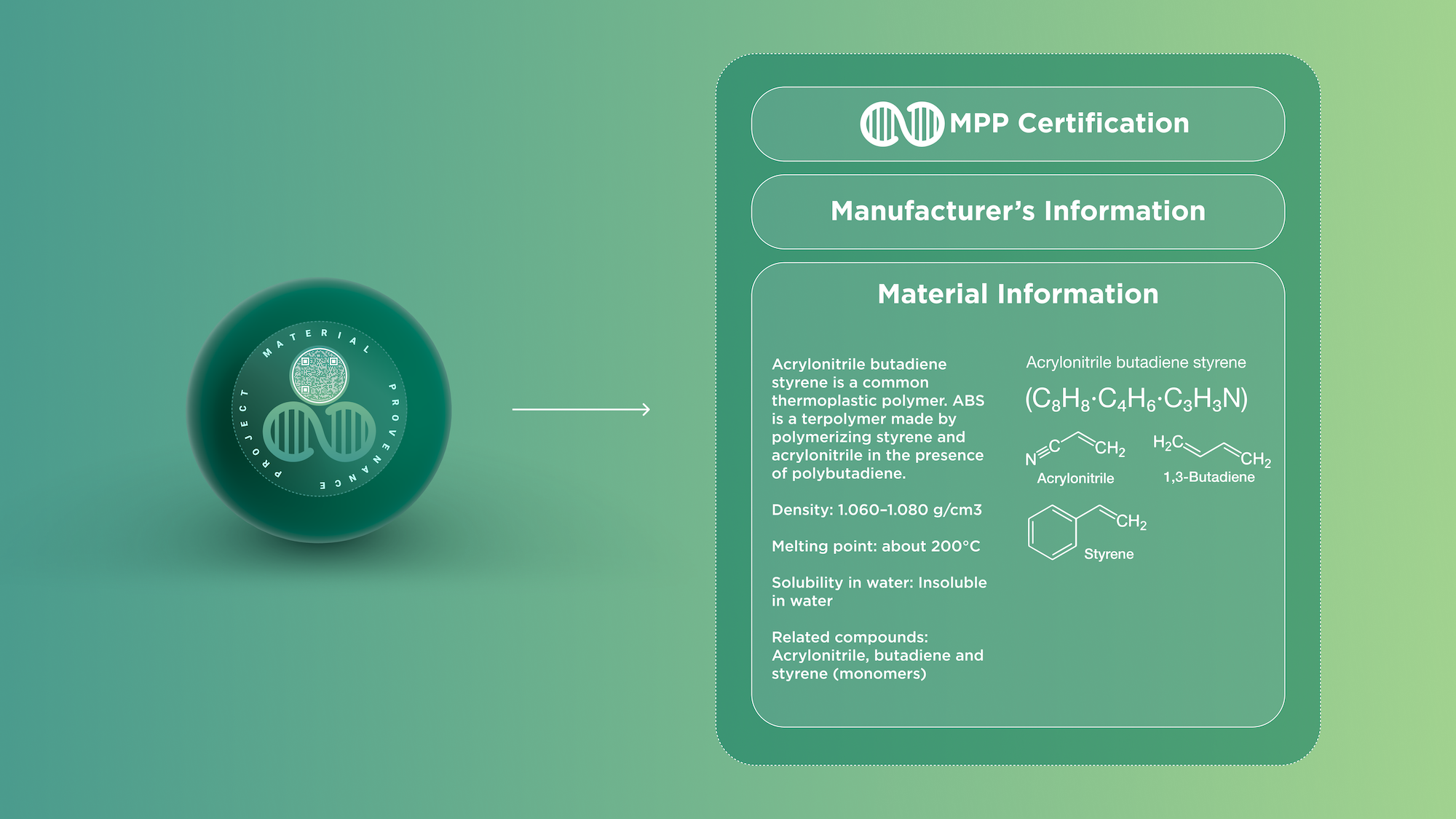
Illustrating the method of embedding material with DNA-based metadata.
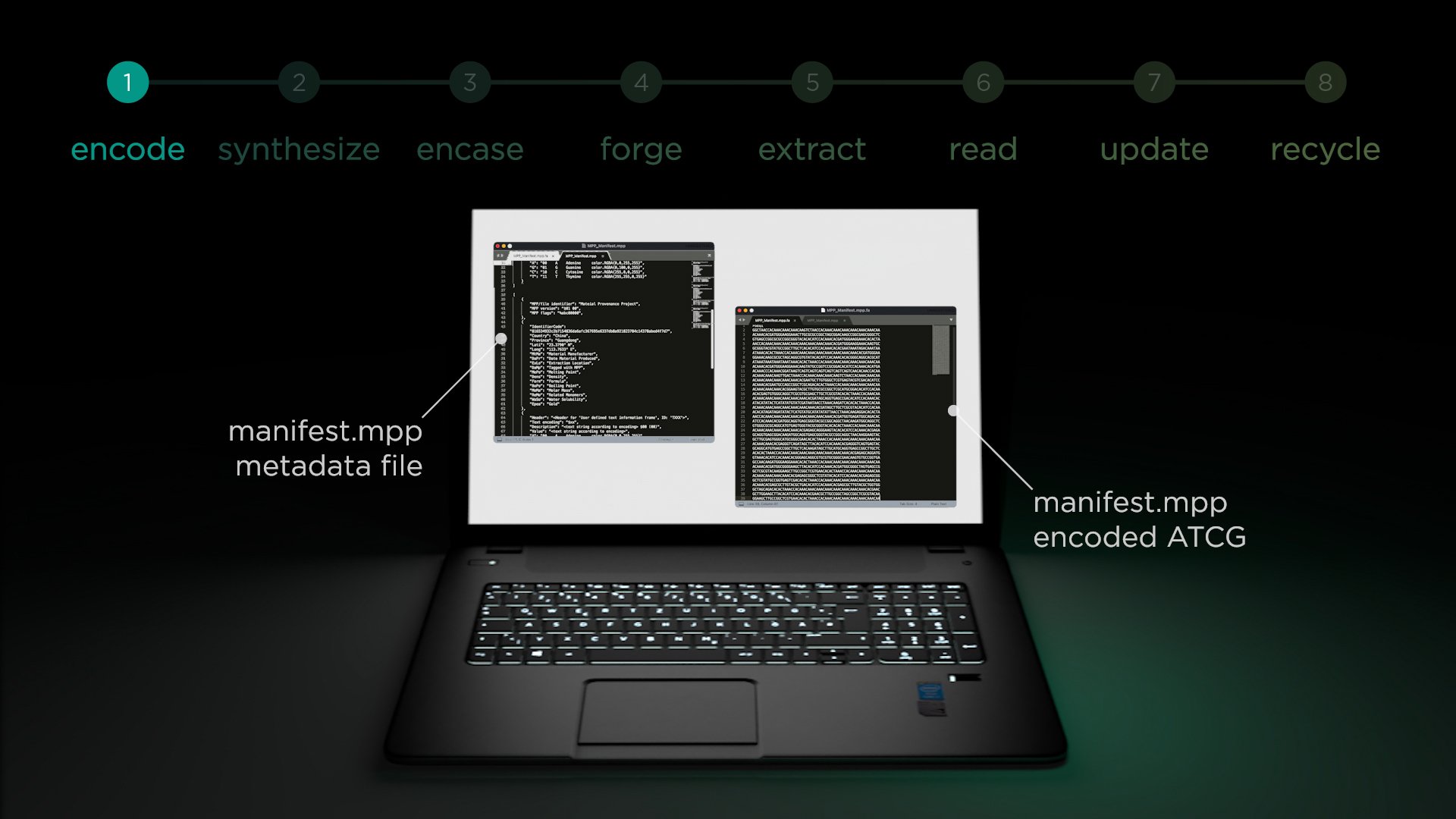
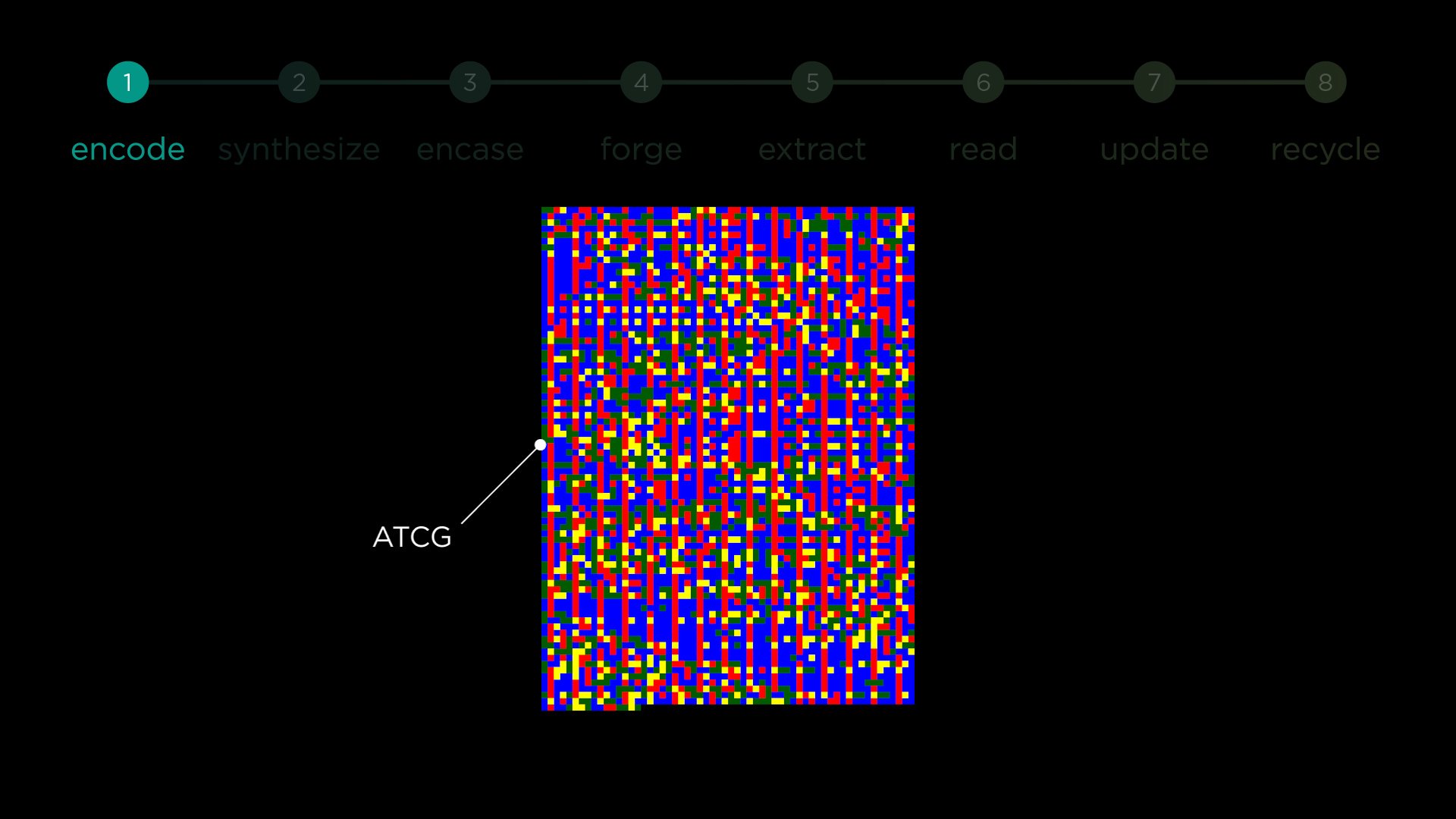
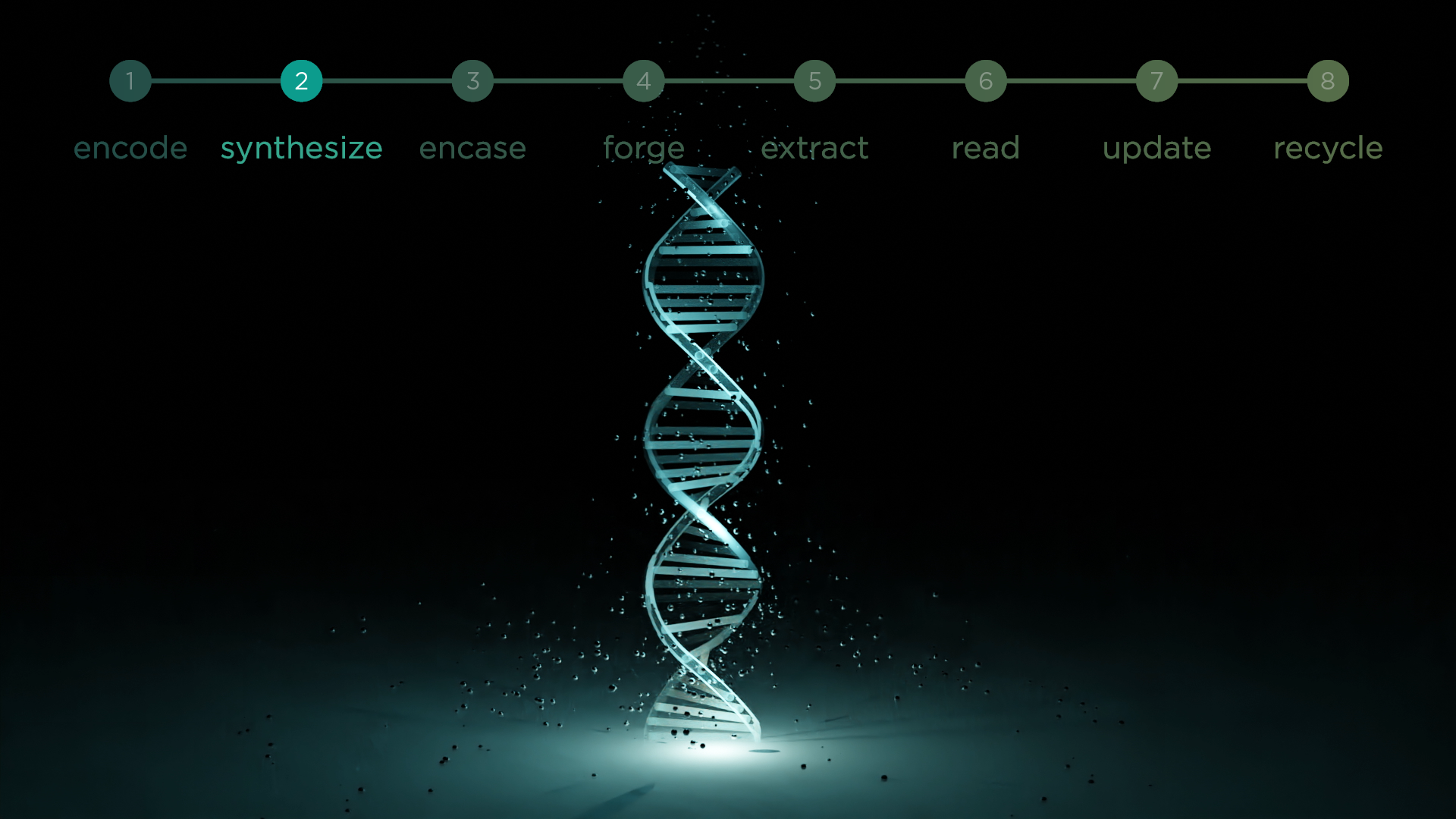
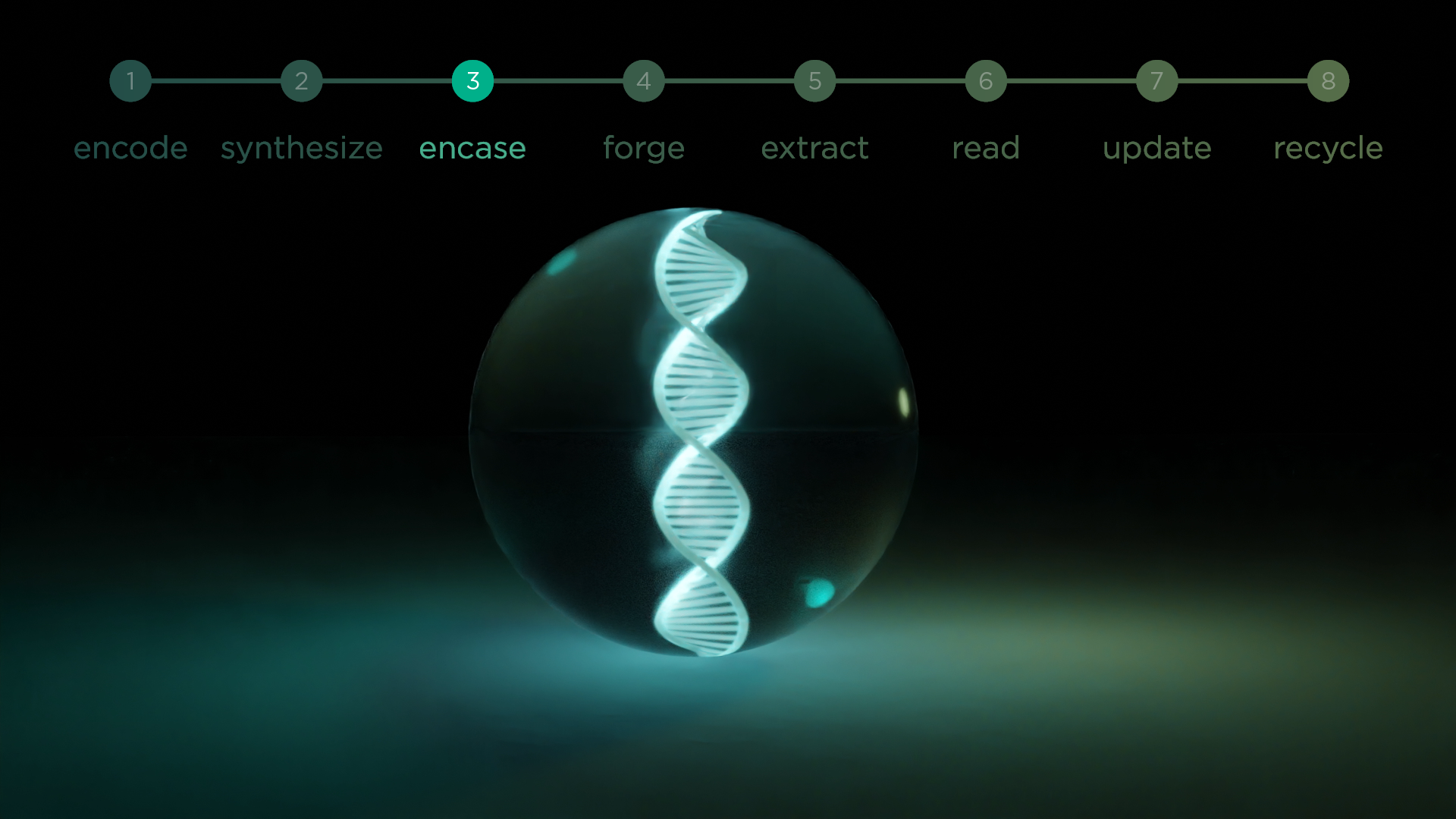
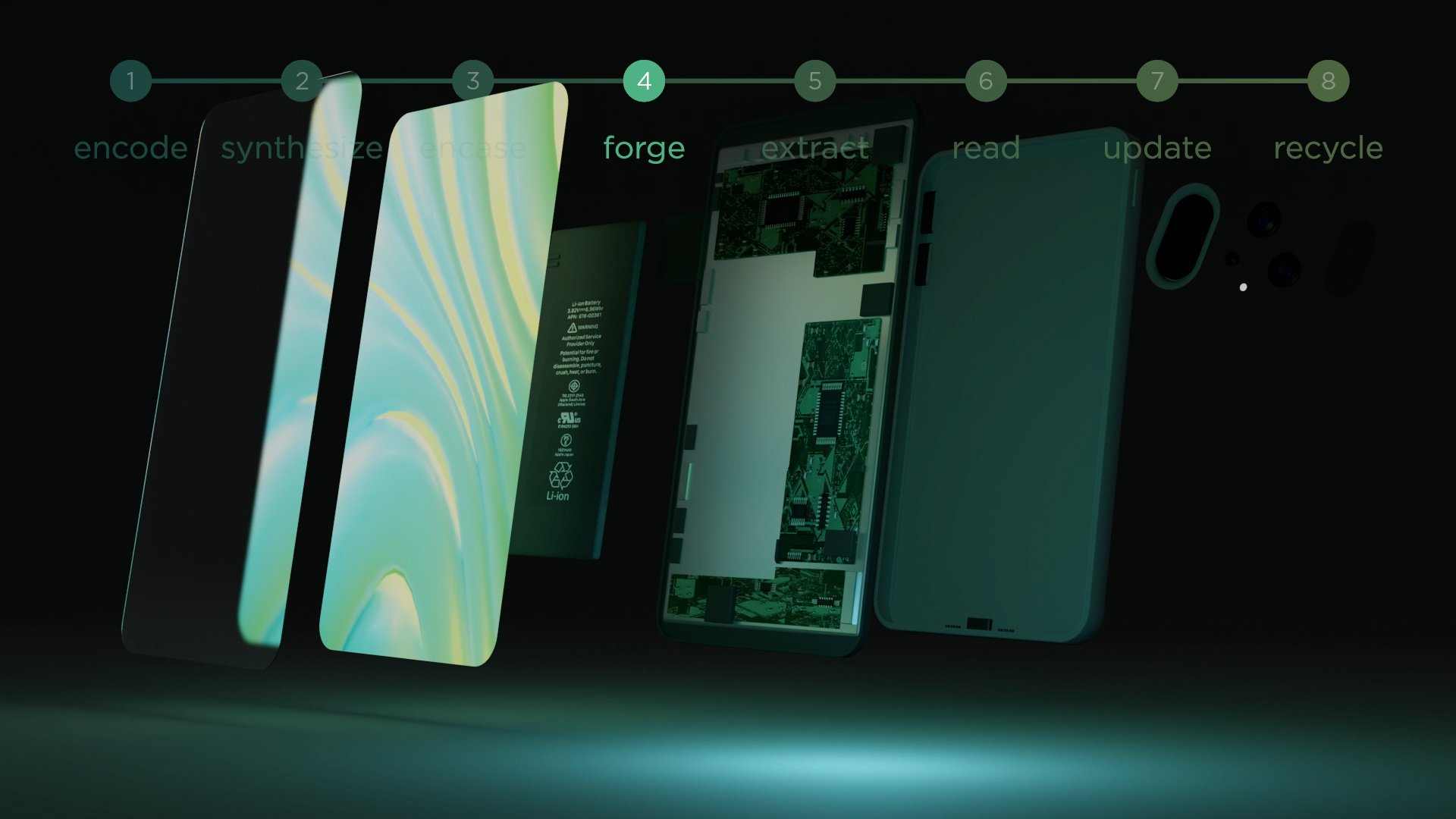
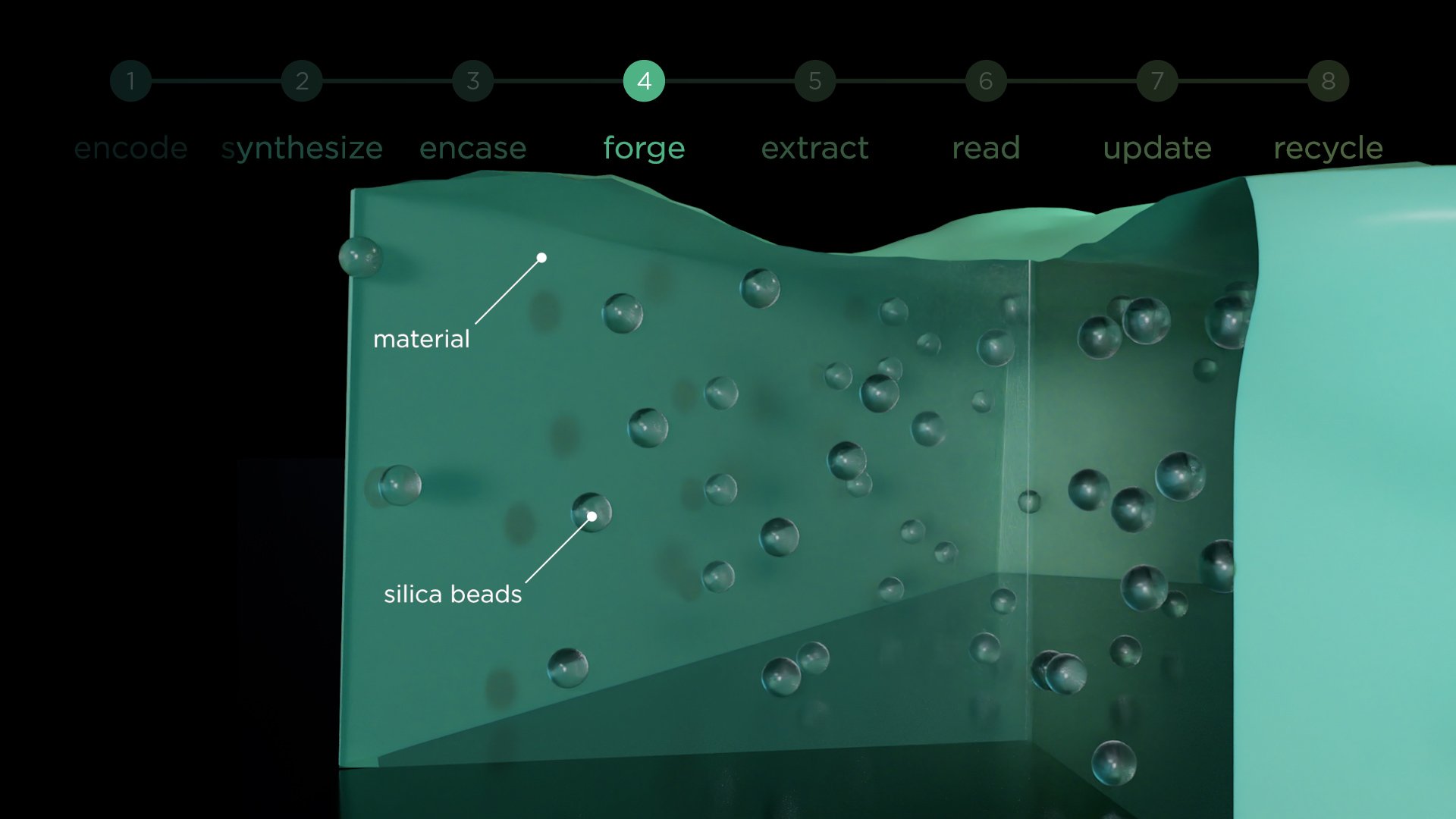
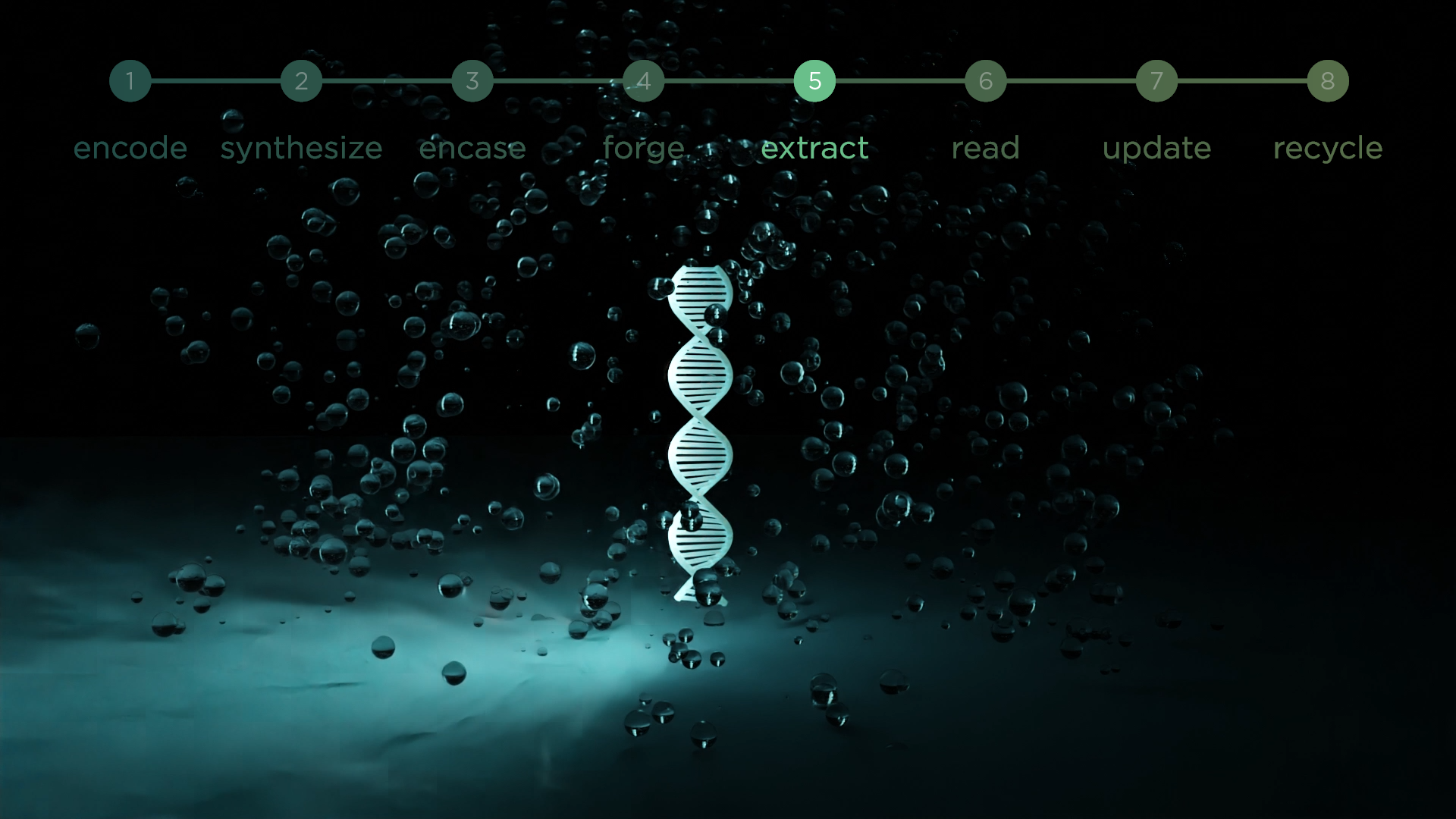
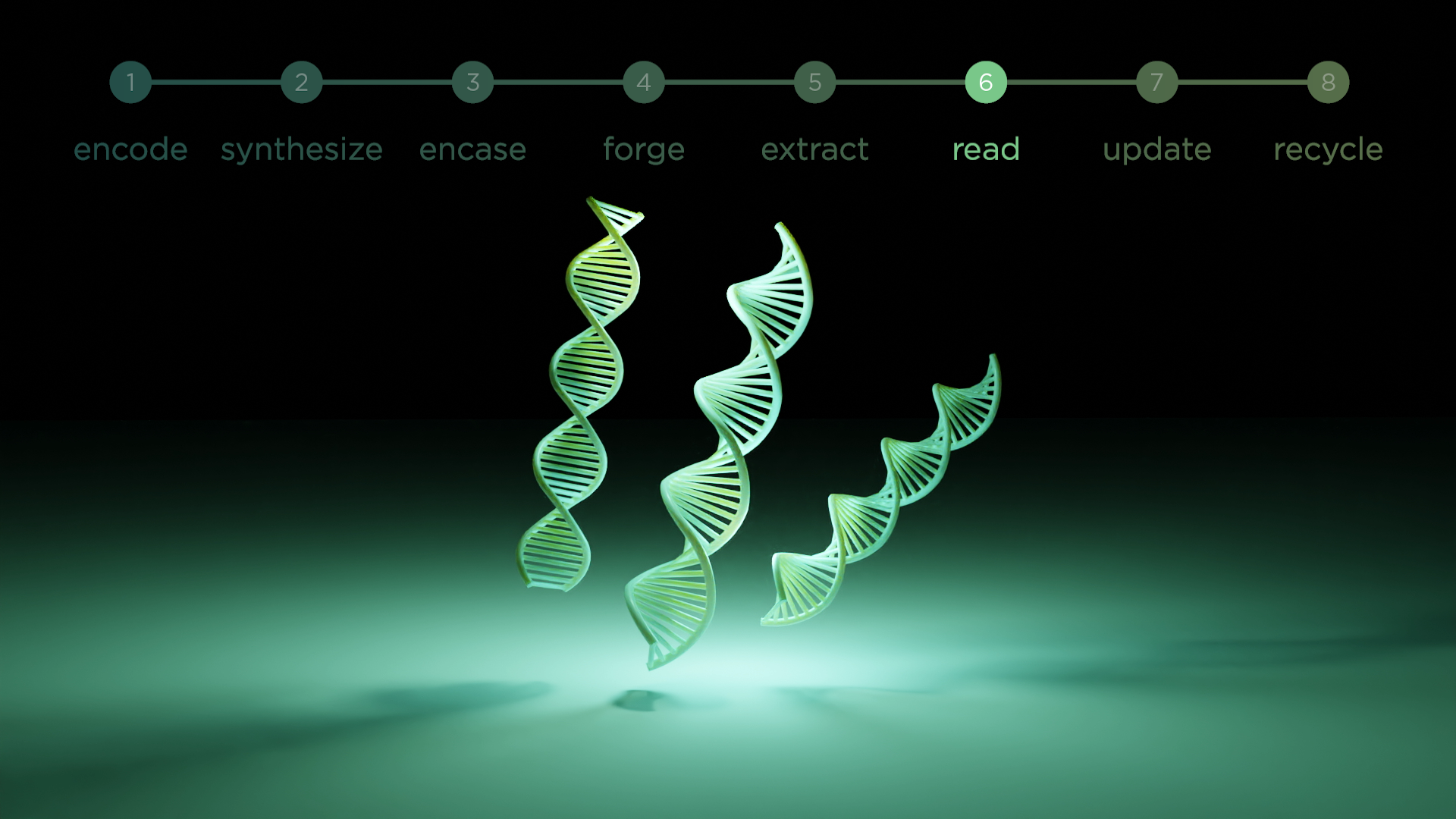
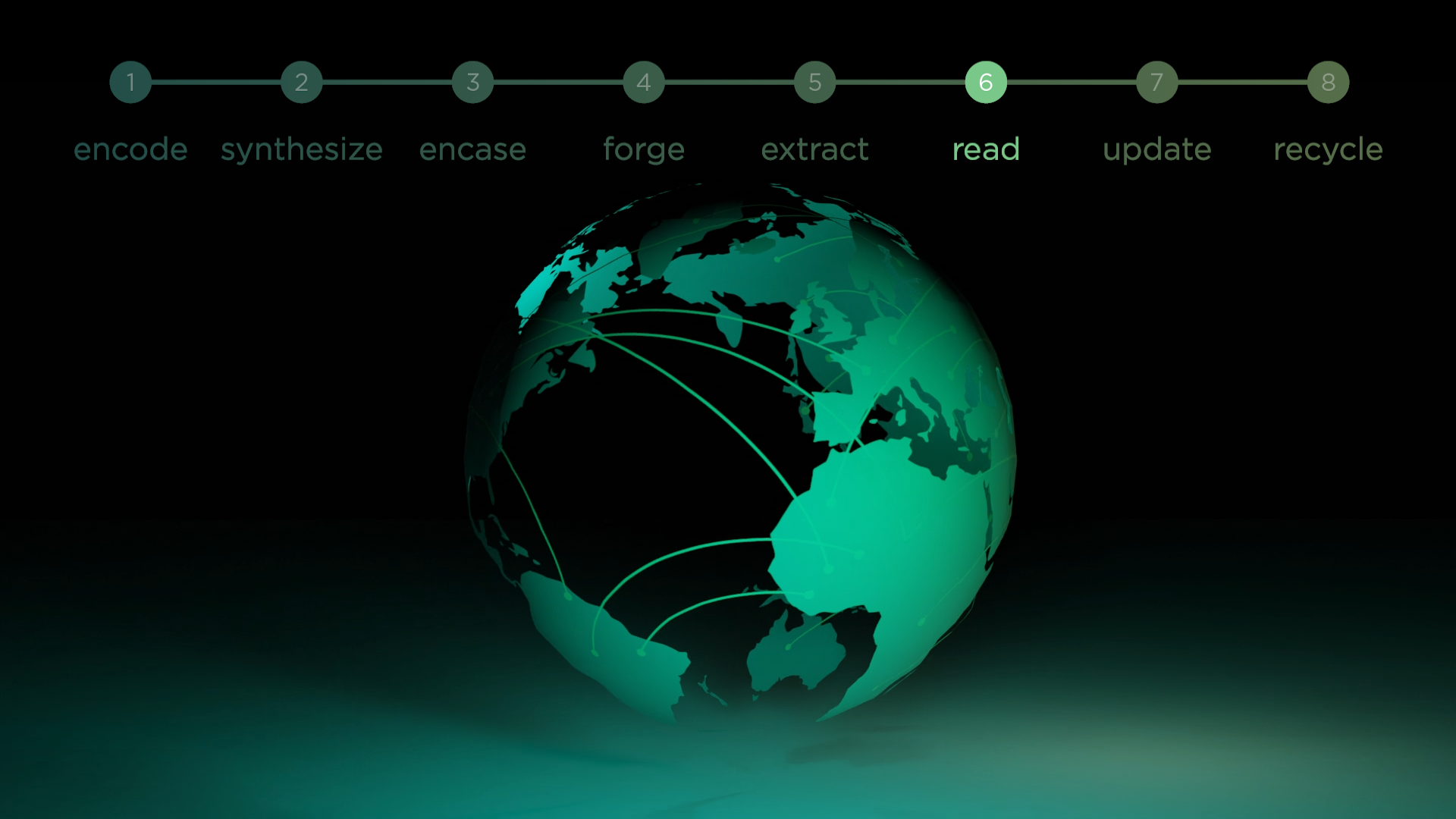
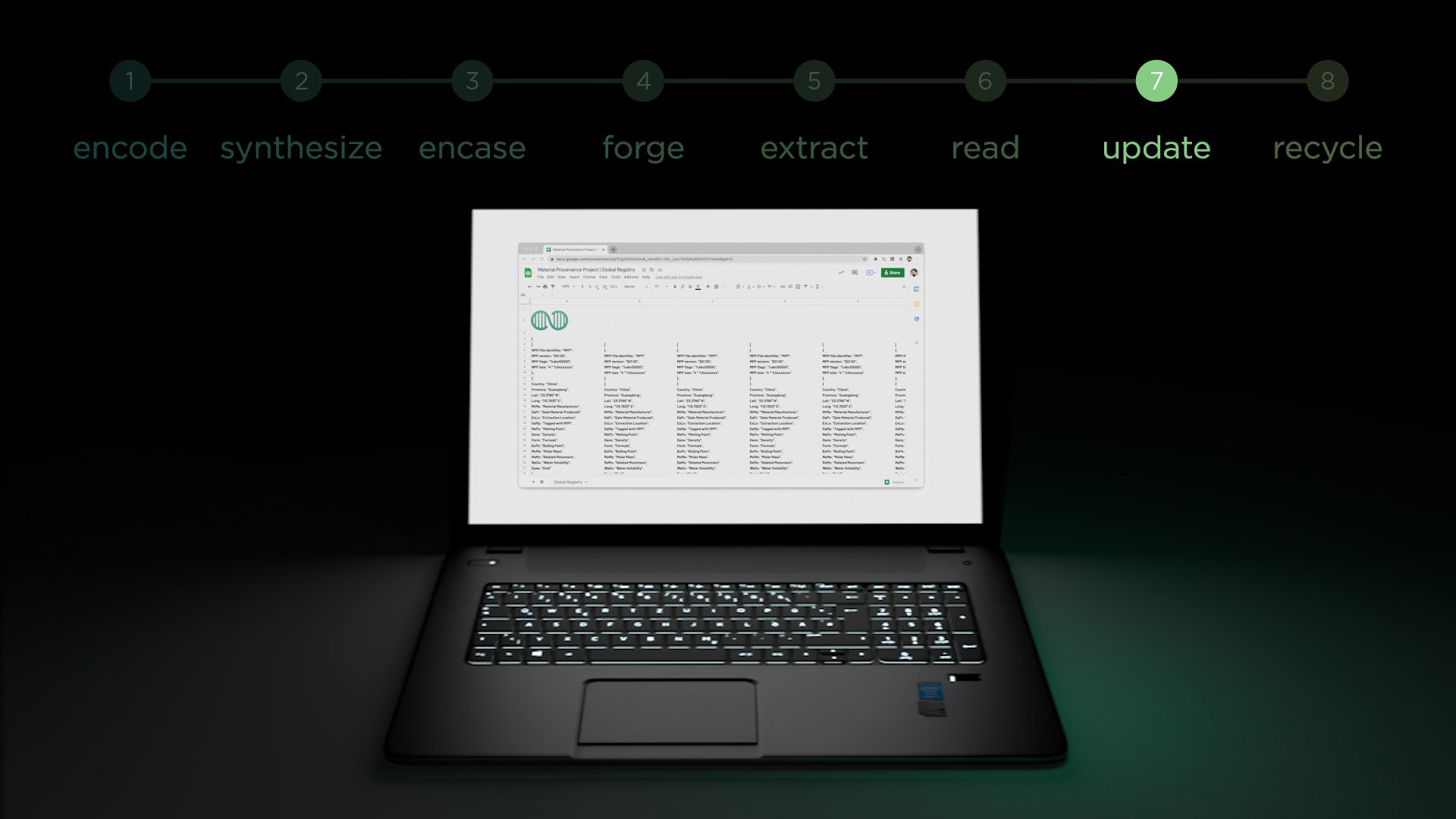
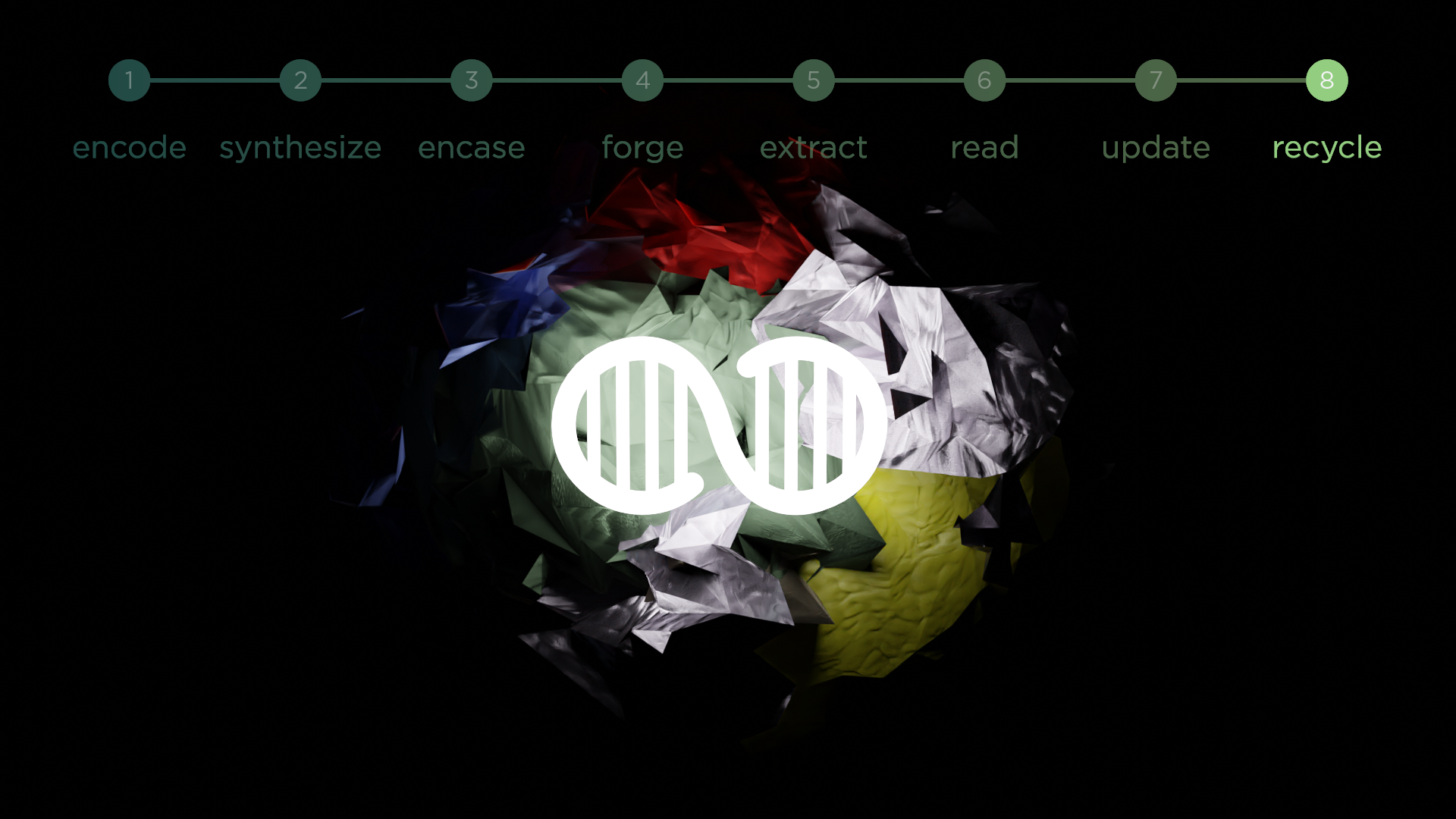
Step 1A — Encode
Our Impact
We facilitated collaboration between material scientists, biodesigners, product designers, motion graphics artists, storytellers, and researchers to develop the Material Provenance Project over a 4-week research and design sprint.
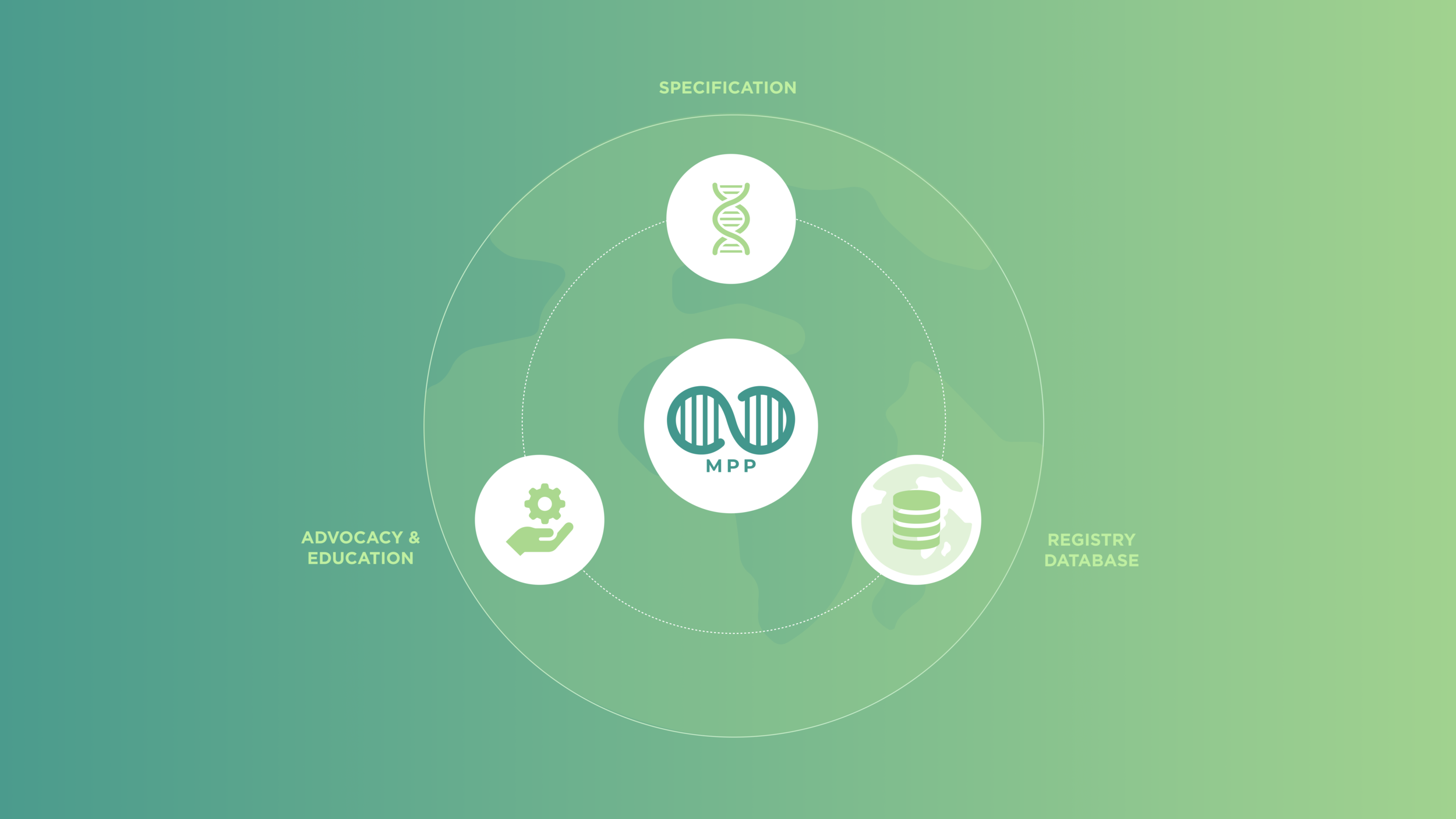
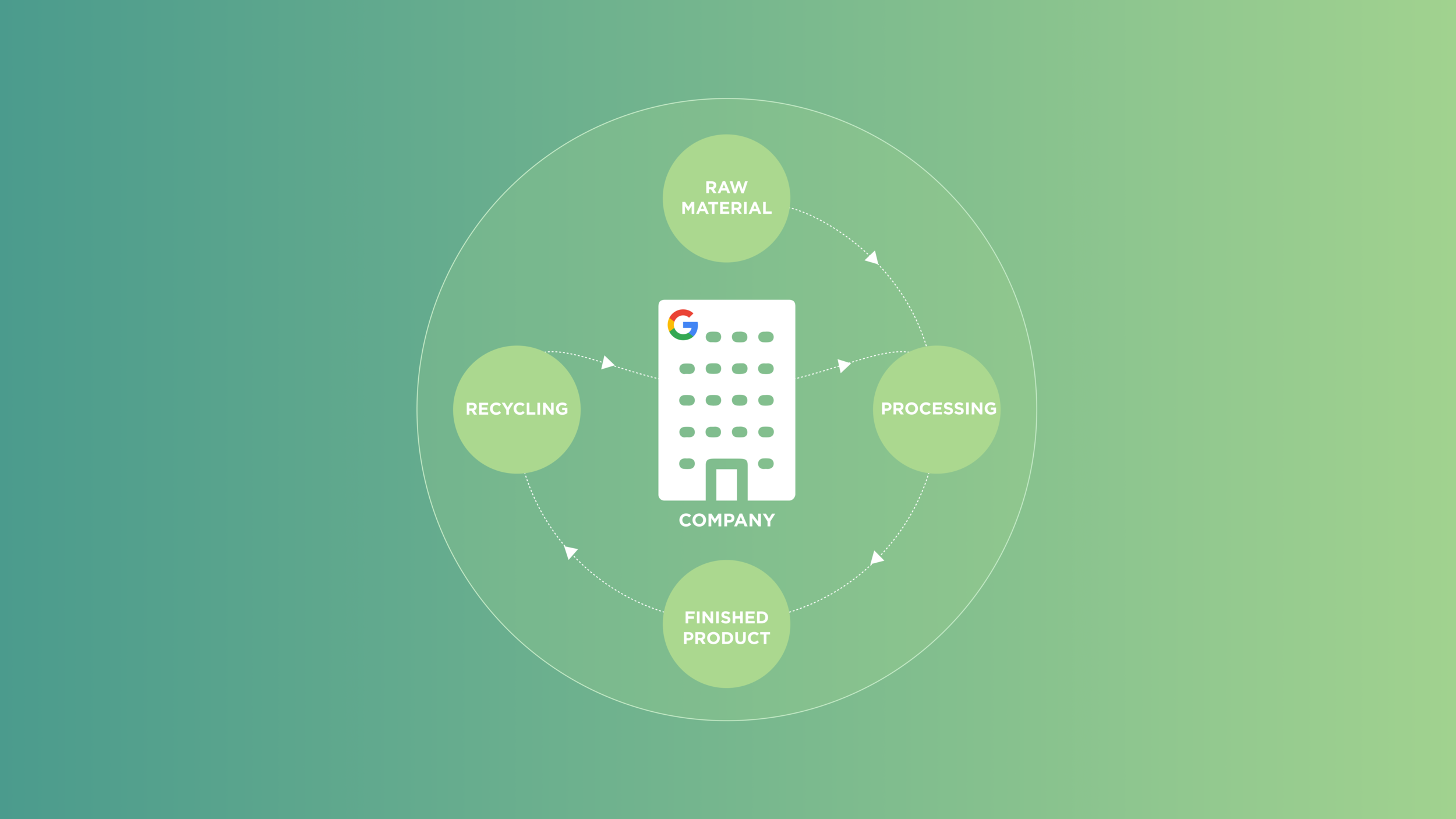
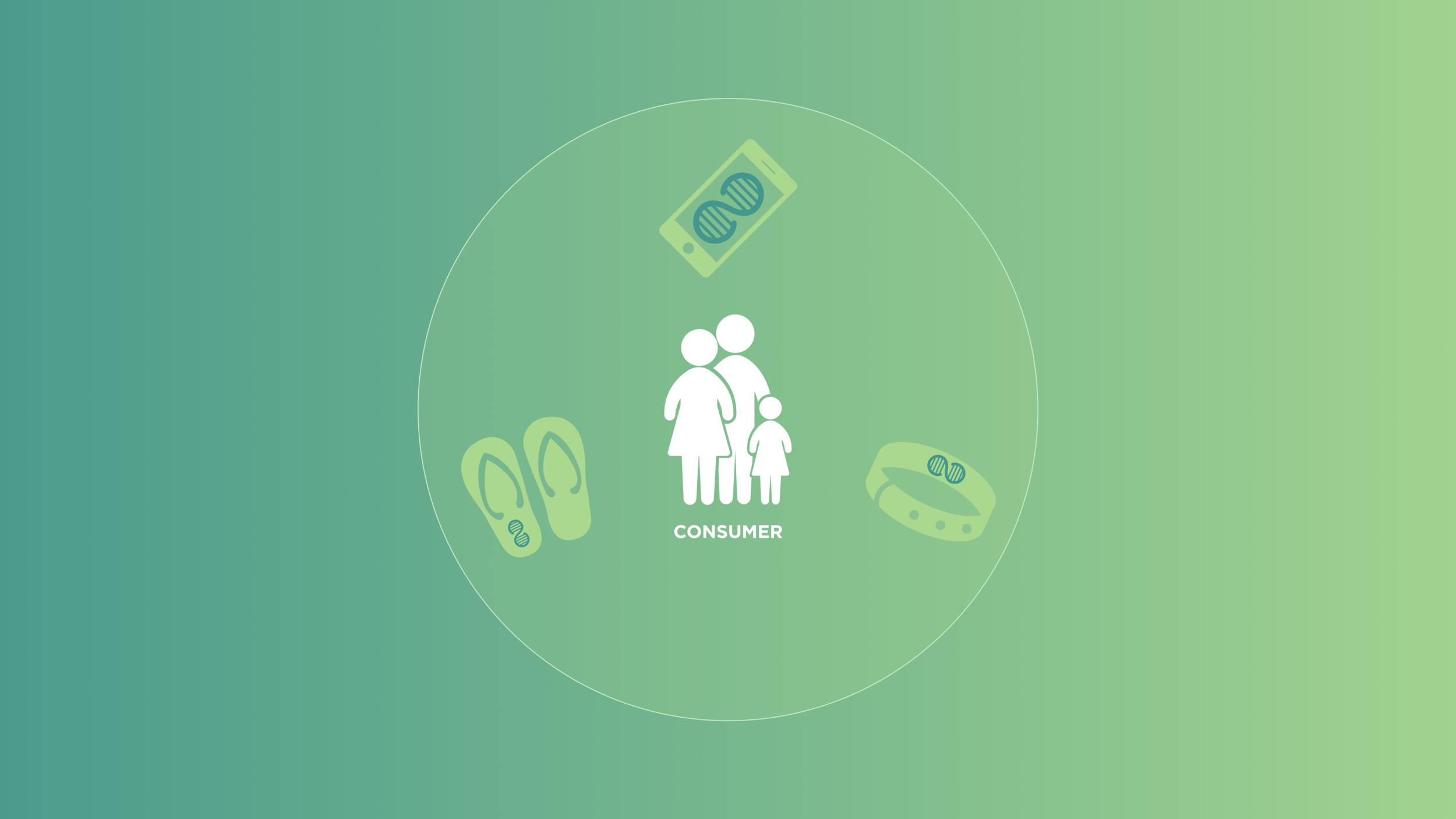
We assembled a team from scratch, developed a concept, a formal global data specification system, and a vision film. The concept proposed a DNA-based data encoding system that embeds metadata into materials to track global material flows, identify supply chain leaks, and support circular economies.

Mapping the ecosystem and accountable stakeholders of material recycling and the "MPP" Specification.
Program identity
Why We Loved This Project
We believe humanity already has the resources and technology to solve all our problems, but while capitalism (e.g., artificial scarcity) blocks equitable access, often the people and groups with the most impactful innovations have no clue how to communicate what they have invented to the world or fully envision its potential.
We took a left-field approach to this RFP, choosing to focus on communicating complex scientific ideas to a general audience in accessible language, while synthesizing real, cutting-edge science into novel yet practical tools.